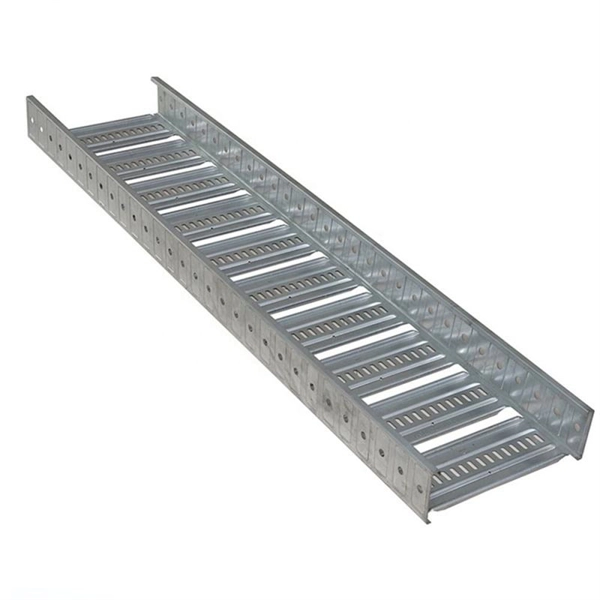
Cables run through distribution boxes and cable trays
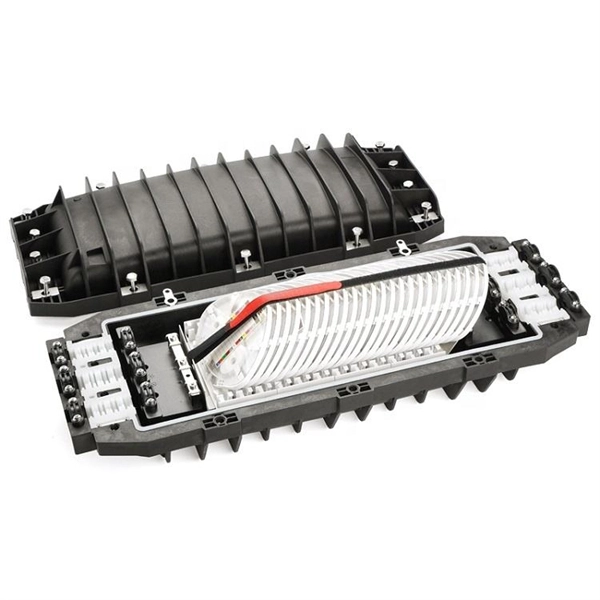
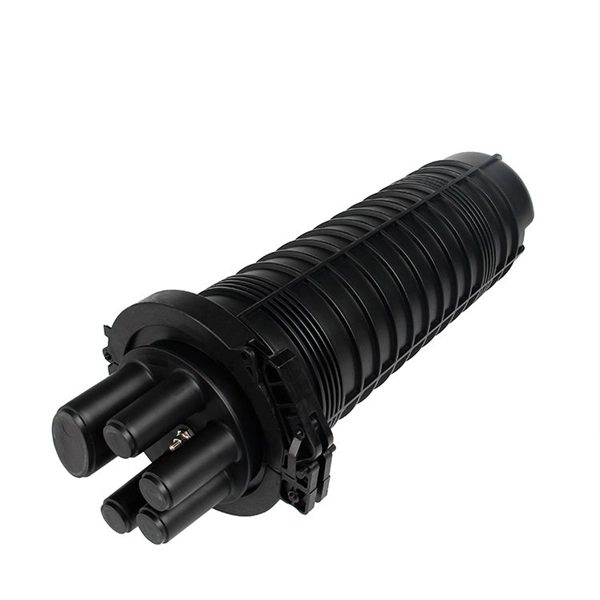
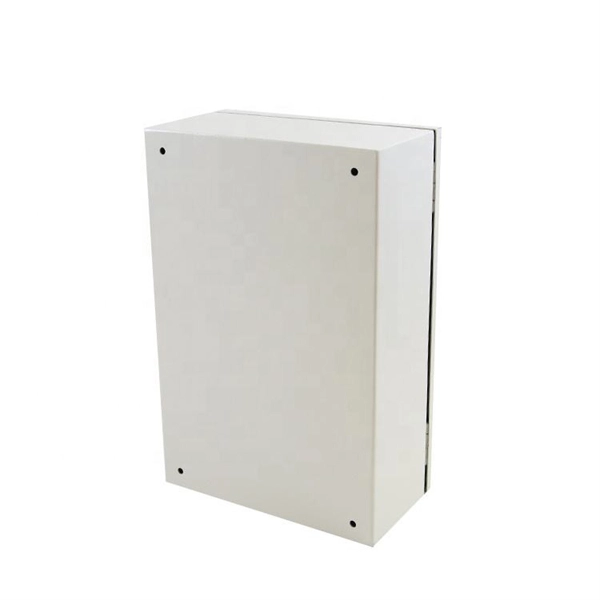
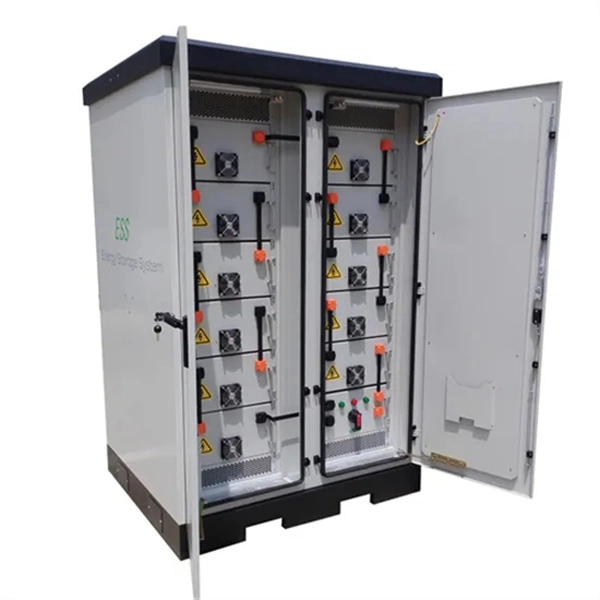
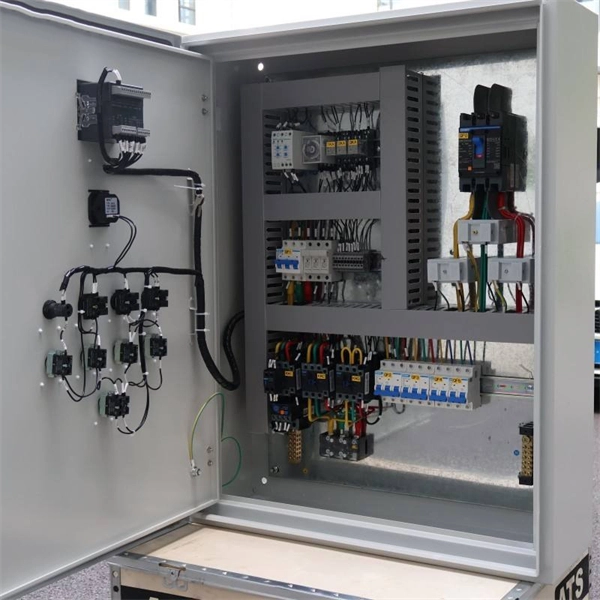
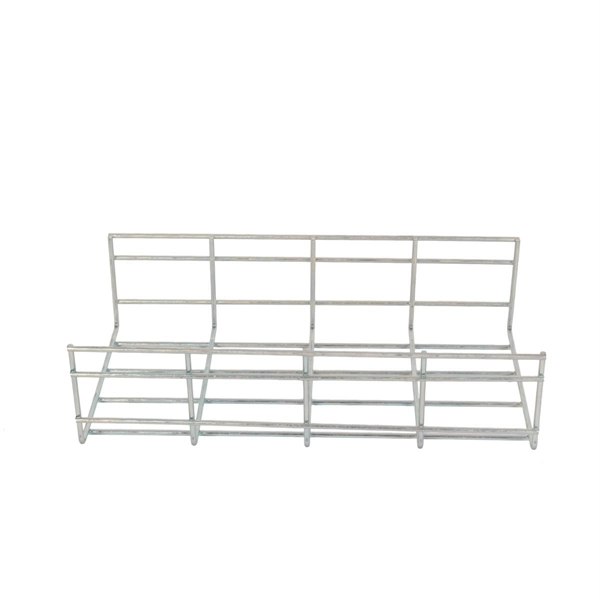
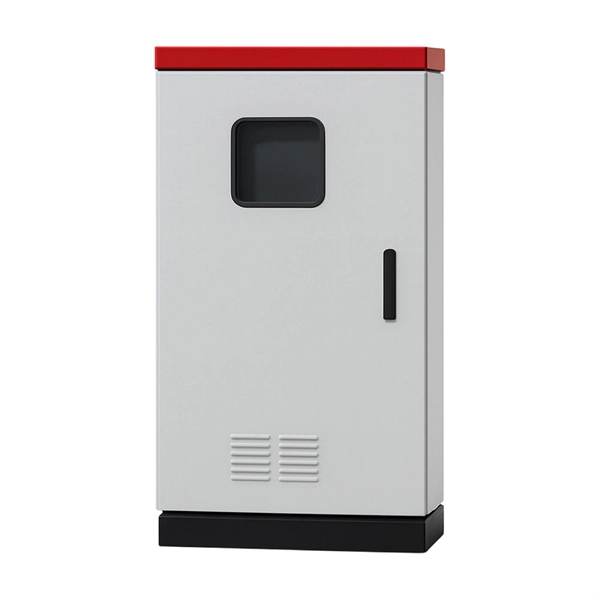
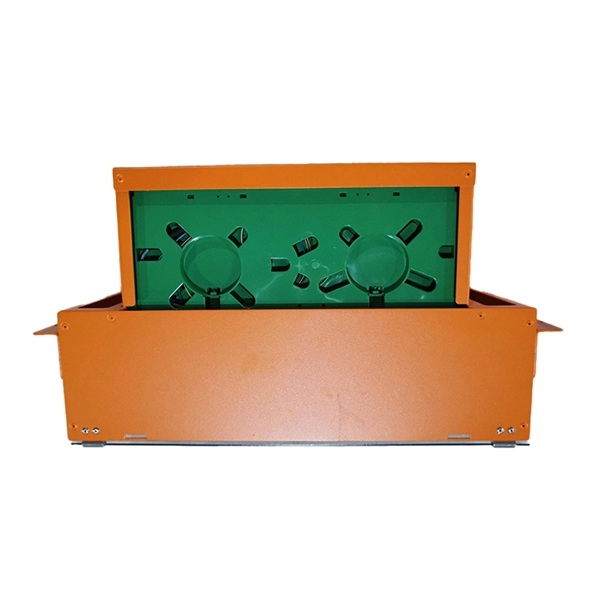
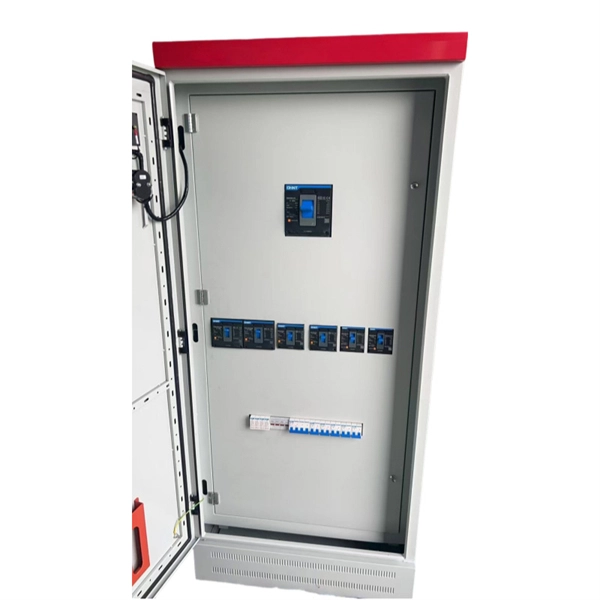
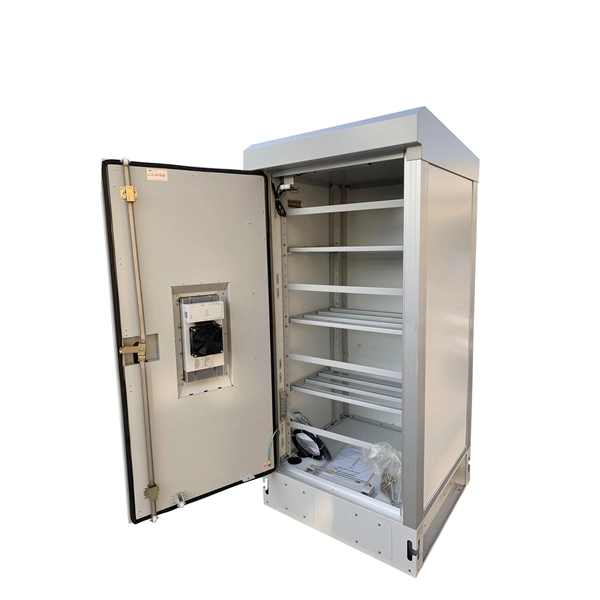
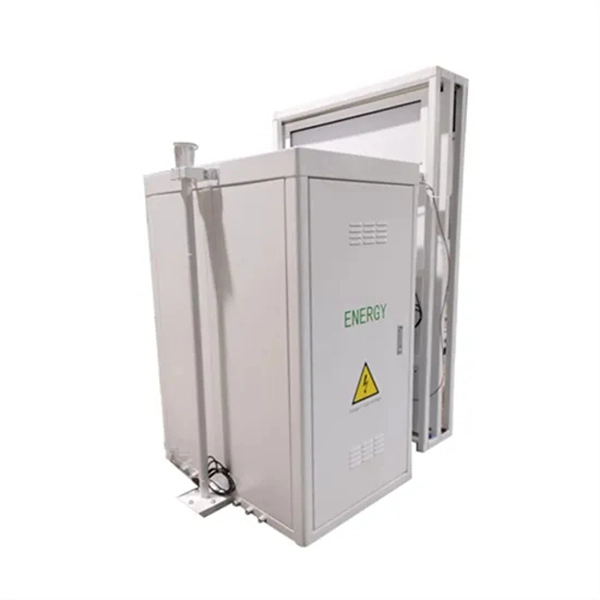
Cables are routed through distribution boxes and cable trays to organize, protect, and maintain electrical and data wiring efficiently while ensuring safety and accessibility.Cable TraysCable trays are open or semi-open support structures designed to carry large bundles of electrical or data cables. They are ideal for long, straight runs and environments with high cable volumes, such as factories, data centers, and large buildings, because they allow air circulation, which prevents overheating and derating of cables (loss of current-carrying capacity due to heat) . Types of cable trays include:Ladder trays: Two side rails connected by rungs, suitable for heavy-duty power cables and long spans .Perforated trays: Provide partial protection against dust and debris, suitable for moderate cable loads .Wire mesh (basket) trays: Lightweight and flexible, ideal for data cabling in commercial or IT facilities . Cable trays can be made from galvanized steel, aluminum, or stainless steel, offering corrosion resistance and compatibility with indoor and outdoor applications . Proper spacing of rungs (typically 6–9 inches) and maintaining the minimum bend radius at tray exits are essential to prevent cable damage .Distribution BoxesDistribution boxes, also called junction boxes, are enclosures where cables are terminated, spliced, or branched. They provide mechanical protection and facilitate organized cable routing. When connecting cable trays to distribution boxes:Ensure smooth entry points to prevent abrasion of cable insulation.Use threaded or flared conduit ends for metal conduits to reduce shearing forces during cable threading .Minimize the number of bends in conduits; typically, no more than three bends per run, with a maximum of two right-angle bends .ConduitsConduits are fully enclosed pipes (metal or PVC) used for additional protection in harsh environments, such as chemical plants or areas exposed to water. They are often used for the last mile of cable runs from distribution boxes to equipment, providing resistance to moisture, dust, and mechanical damage .Best PracticesMaintain segregation of high-voltage and low-voltage cables to prevent interference .Ensure accessibility for maintenance and future upgrades by using open trays or removable covers.Follow minimum bend radius requirements to avoid cable stress and potential failure .Use junction boxes strategically to facilitate cable threading and reduce conduit complexity . By combining cable trays, conduits, and distribution boxes, electrical installations achieve organized, safe, and scalable cable management, ensuring operational reliability and compliance with standards .